
Protecting teeth from cavities is an important part of preventive dental care. At Dr. Haritha Tooth Align Multi-Speciality Dental Clinic in HSR Layout, Bengaluru, we provide dental assessments and preventive treatment options, including pit and fissure sealants, to help reduce the risk of tooth decay.
Dental sealants are thin protective coatings applied to the chewing surfaces of back teeth, particularly molars and premolars. These teeth have natural grooves, known as pits and fissures, where food particles and bacteria can accumulate. Some grooves are difficult to clean effectively with regular brushing, increasing the risk of cavities.
Pit and fissure sealants form a protective barrier over these grooves, helping prevent bacteria and food debris from becoming trapped. Sealants are commonly recommended for children and teenagers, particularly when permanent molars begin to erupt. They may also be suitable for selected adults based on their dental condition and cavity risk.
At Dr. Haritha Tooth Align in HSR Layout, Bengaluru, our dental team evaluates the condition of your teeth and recommends preventive care based on individual oral health needs.
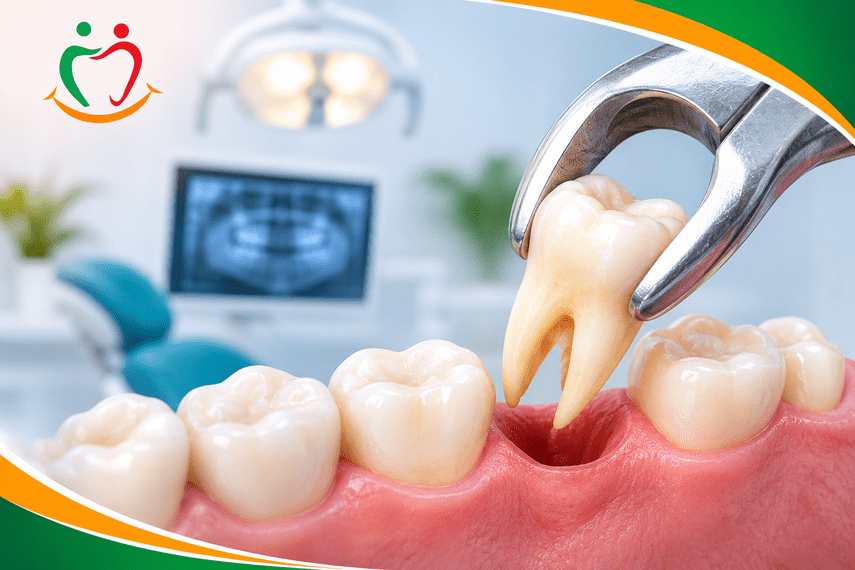
Pit and fissure sealants are a preventive dental treatment designed to protect vulnerable chewing surfaces from tooth decay. The procedure involves applying a thin layer of dental sealant material to the grooves of suitable teeth.
Once the material sets, it creates a protective covering that reduces the accumulation of food particles and bacteria within the sealed grooves. Sealants can be used on suitable primary or permanent teeth and are particularly beneficial for teeth with deep pits and fissures.
Dental sealants do not replace brushing, flossing, fluoride use or regular dental examinations. Instead, they provide an additional preventive measure as part of a comprehensive oral healthcare routine.
The chewing surfaces of molars and premolars contain small grooves that help break down food during chewing. These grooves can sometimes be narrow and difficult to clean thoroughly, even with regular toothbrushing.
When bacteria and food particles remain inside these areas, they can contribute to the development of dental cavities. Pit and fissure sealants help protect these vulnerable surfaces by covering the grooves with a suitable dental material.
Sealants are especially useful during childhood and adolescence, when newly erupted permanent molars may be more susceptible to tooth decay. Depending on the patient’s oral health and tooth condition, adults may also benefit from preventive sealant treatment.
Dental sealants may be recommended for individuals with teeth that are more vulnerable to decay.
Children with Newly Erupted Molars – Sealants may help protect permanent molars after eruption.
Teenagers with Deep Tooth Grooves – Protective coatings can reduce the risk of cavities in susceptible chewing surfaces.
Adults at Risk of Tooth Decay – Selected adults with suitable teeth and elevated cavity risk may benefit from sealants.
Patients with Deep Pits and Fissures – Teeth with narrow or difficult-to-clean grooves may require additional preventive protection.
Patients Needing Preventive Dental Care – Sealants may form part of an individualized cavity-prevention plan.
1. Dental Examination and Cavity Risk Assessment
The dentist examines the teeth and evaluates their chewing surfaces, groove depth and existing dental condition. This assessment helps identify teeth that may benefit from pit and fissure sealants.
2. Tooth Cleaning and Preparation
Before applying the sealant, the selected tooth surface is cleaned to remove plaque and debris. The tooth is then prepared according to the requirements of the chosen sealant material.
3. Tooth Surface Conditioning
For certain sealant materials, a conditioning agent is applied to the enamel to help the protective coating bond effectively to the tooth surface.
4. Dental Sealant Application
The sealant material is carefully applied to the pits and fissures of the selected tooth. Depending on the material, it may be hardened using a dental curing light or allowed to set through a chemical reaction.
5. Sealant Evaluation and Follow-Up Care
After application, the dentist checks the sealant’s coverage, retention and bite contact. During future dental examinations, sealants can be reviewed and repaired or replaced when necessary.
Dental sealants offer several preventive benefits when applied to suitable teeth.
Helps Reduce the Risk of Cavities
Sealants create a protective barrier over susceptible chewing surfaces, helping reduce the risk of decay in treated grooves.
Protects Difficult-to-Clean Areas
Deep pits and fissures can be difficult to clean with a toothbrush. Sealants help limit the accumulation of food particles and bacteria in these areas.
Supports Preventive Dental Care
Sealants complement regular brushing, fluoride use, healthy dietary habits and routine dental checkups.
Generally Non-Invasive Application
Applying sealants to suitable sound teeth usually does not require drilling or local anesthesia. The dentist will explain the procedure based on the tooth’s condition.
Suitable for Different Age Groups
Sealants are commonly used in children and teenagers but may also be recommended for selected adults after dental assessment.
Children’s permanent molars often develop during school-age years, making this an important stage for preventive dental care. Newly erupted molars may have deep grooves that are difficult to clean effectively.
Applying dental sealants to suitable molars can help reduce the likelihood of cavities developing on their chewing surfaces.
The decision to place sealants depends on tooth eruption, enamel condition, existing decay, oral hygiene and individual cavity risk. A dentist can assess whether sealant treatment is suitable for a child’s teeth.
Parents should continue encouraging twice-daily brushing with fluoride toothpaste, appropriate interdental cleaning and regular dental examinations.
Although sealants are commonly associated with children’s dentistry, some adults may also benefit from this preventive procedure.
Adults with deep grooves in their molars, increased cavity risk or other suitable dental conditions may be considered for sealant treatment.
Before recommending sealants, the dentist examines the teeth for existing restorations, cavities and other oral health concerns. The treatment plan depends on the condition of each tooth.
Dental sealants can remain in place for several years, although their durability varies depending on the material, chewing forces, oral habits and individual dental conditions.
Over time, sealants may wear down, chip or become partially detached. Regular dental examinations allow the dentist to check their condition and recommend repair or replacement when appropriate.
Patients should continue maintaining good oral hygiene, brushing twice daily with fluoride toothpaste, cleaning between their teeth and attending routine dental appointments.
Sealants protect the treated chewing surfaces but do not eliminate the possibility of developing cavities elsewhere on the teeth.
At Dr. Haritha Tooth Align Multi-Speciality Dental Clinic in HSR Layout, Bengaluru, preventive dental consultations focus on identifying oral health concerns and discussing suitable measures to maintain healthy teeth and gums.
Our dental team evaluates tooth condition, oral hygiene practices and cavity risk before recommending treatments such as pit and fissure sealants.
Preventive care is particularly important for children and teenagers, as early identification of vulnerable teeth can help guide appropriate dental protection and long-term oral hygiene habits.
Looking for preventive dental care for yourself or your child?
Visit Dr. Haritha Tooth Align Multi-Speciality Dental Clinic in HSR Layout, Bengaluru, for a dental examination and guidance on suitable cavity-prevention options, including pit and fissure sealants.
Call: +91 70904 50469
Address: Baskar Plaza, 5th, 15th Cross Road, 6th Sector, HSR Layout, Bengaluru, Karnataka – 560102
Learn about dental treatments available at our clinic in HSR Layout, Bengaluru.